Our articles
White Box Testing – Guide, Tools, and Techniques
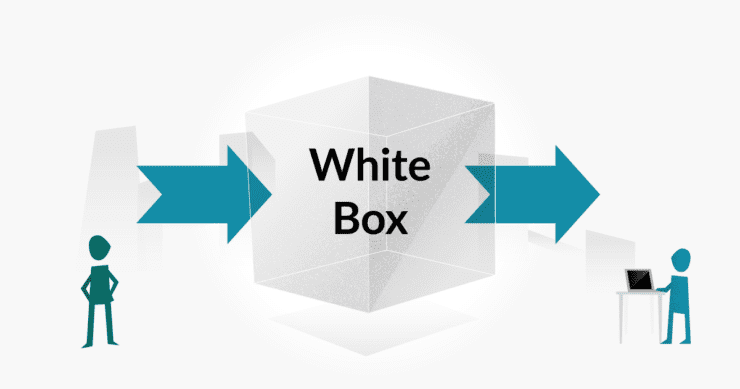
White box testing is a method for assessing a build’s internal structure. Code, architecture and design are checked, but not functionality.

Top Automation Testing Tools

Explore our list of the leading automation testing tools that are available on the market today.

STLC (Software Testing Life Cycle) – Overview & Phases
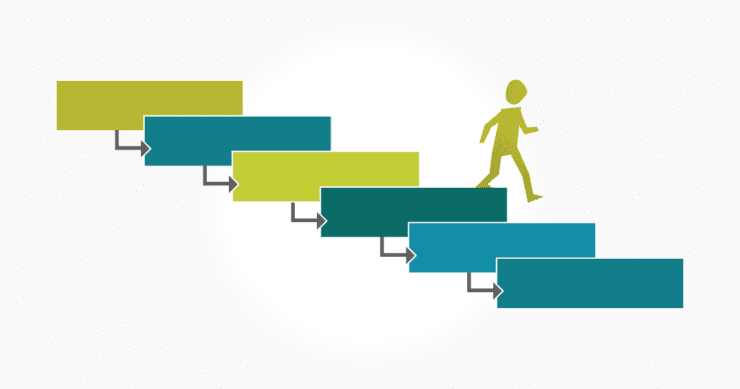
The Software Testing Life Cycle helps testers to structure and organise their testing process. Each STLC stage has entry and exit criteria.

Black Box Testing – Techniques, Tools, and Tips
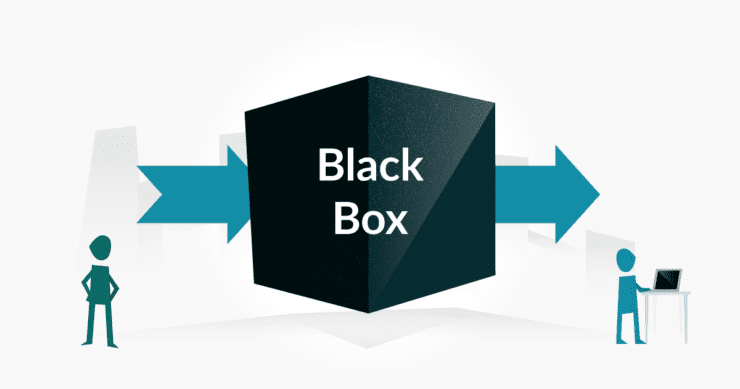
Black box testing assesses a product’s functionality from the user’s perspective. The aim is to ensure a positive experience with no flaws.
What is Regression Testing? Definition and Guide
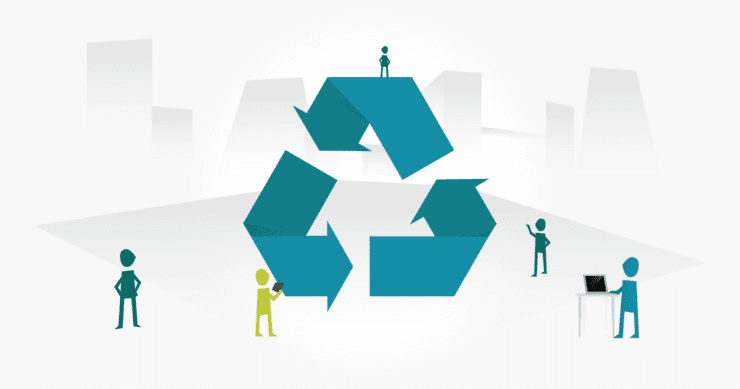
Regression testing should be done after every code change to ensure the update has not negatively affected any other part of the product.
An Overview of the Software Development Life Cycle (SDLC)
Our overview of the software development life cycle explains how the SDLC gives structure and direction to the software development process.
Verification vs Validation – What’s the difference?
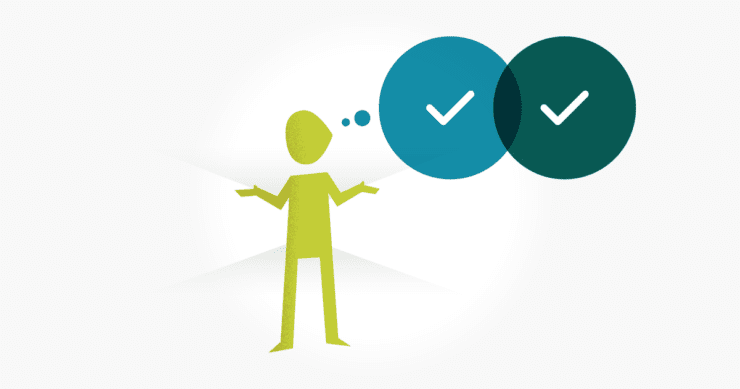
In software testing, verification vs validation can be confusing, but we need to understand because both processes have different purposes.
Testing Mind Maps – An Introduction
Mind maps are a visual way of breaking down a big problem into more manageable units. Testing mind maps are used by QA to plan testing.
Software Testing Basics – A Beginners Guide
Software testers need to know software testing basics like the seven principles of testing and the STLC. This post will help you to begin.
What is Smoke Testing?
Ahead of the full testing cycle, smoke testing ensures all the main functionality works properly before more thorough testing can commence.